 Studying abroad is an exciting opportunity, but moving to another country comes with several challenges. For Indian students, studying in Russia involves adapting to a new language, climate, education system, food habits and social environment.
These changes can feel overwhelming, especially during the first few months. However, having a supportive community can make the transition much easier.
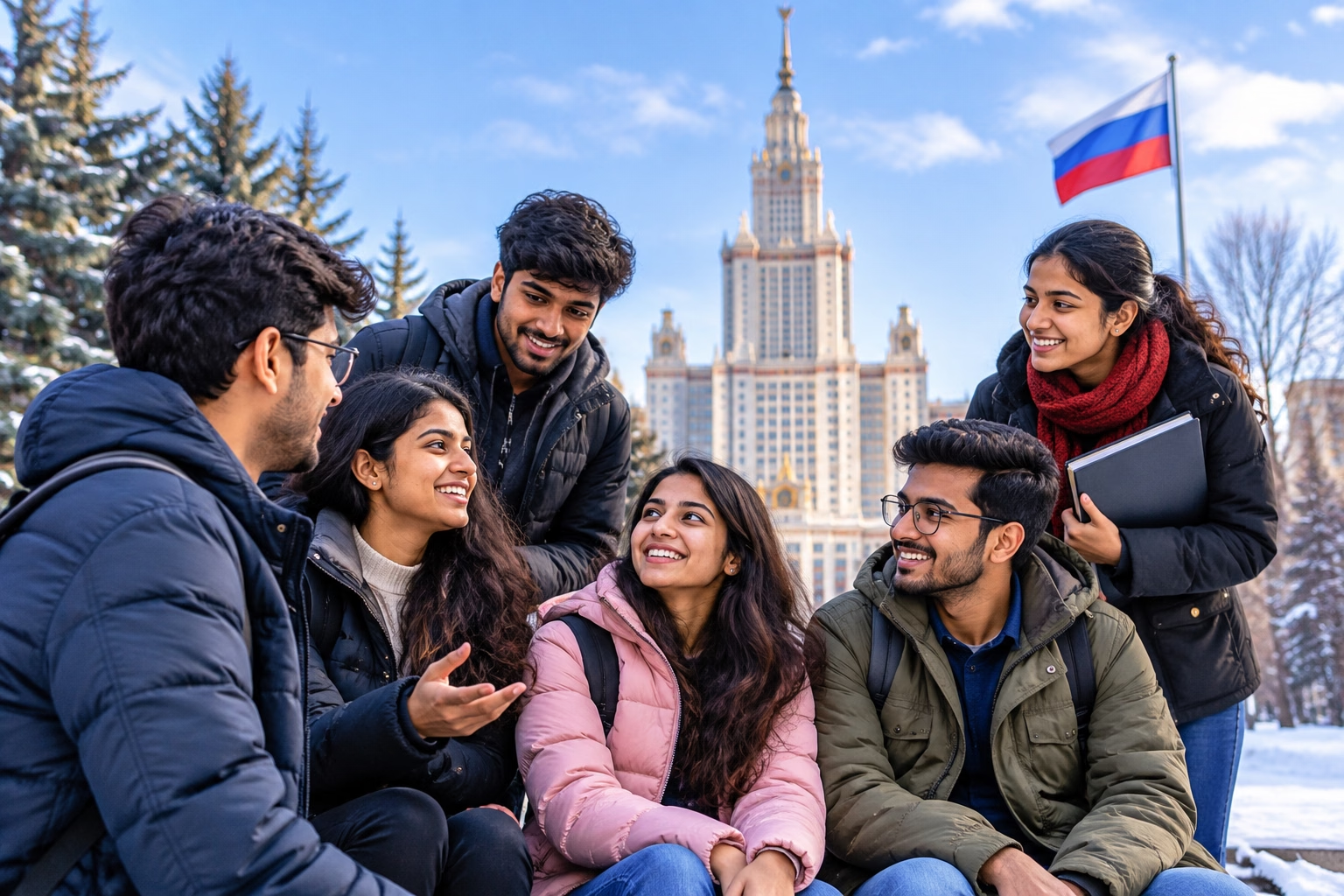
The growing presence of Indian students in Russia has helped create familiar social networks across several Russian universities. Through student associations, hostel friendships, cultural celebrations and peer support groups, Indian students can stay connected to their roots while experiencing a new culture.
This support is particularly valuable for Indian students pursuing MBBS in Russia, as they spend several years away from their families.
But how exactly do Indian student communities help students adjust to Russian university life? Let’s explore.
Is There an Indian Student Community in Russia?
Yes. Russia has an established Indian student population across several universities and cities. According to the Consulate General of India in St. Petersburg, approximately 20,000 Indian students were studying at Russian institutions in its published bilateral brief. These students pursue medicine, engineering, economics, sciences and other disciplines. Indian student groups help newcomers with accommodation, food, language, academics and cultural activities, making cultural adjustment easier.1. Is There an Indian Student Community in Russia?
Yes. Indian students form an important part of the international student population in several Russian universities. According to the Consulate General of India in St. Petersburg, medical students constitute the largest group among Indian students studying in Russia. However, Indian students are also enrolled in engineering, economics, science and other academic programmes. Several universities have international student departments and student support initiatives. Some institutions also organise Indian cultural celebrations and activities. For example, HSE University has highlighted its Indian student community and celebrations such as Diwali and Holi. Its international student support facilities also assist students with documentation and other aspects of university life. Where can Indian students find their community?-
University student associations
-
Indian student WhatsApp and Telegram groups
-
Hostel-based student networks
-
Indian cultural celebrations
-
Senior-junior student groups
-
International student clubs
-
Indian restaurants and grocery stores
2. How Do Indian Student Communities Help With Cultural Adjustment in Russia?
Cultural adjustment means becoming comfortable with a new country’s lifestyle, traditions, communication styles and social expectations. For Indian students, this process can take time. Fortunately, experienced Indian students can provide practical guidance that makes everyday life easier.A. Guidance from Senior Indian Students
Senior students often become the first point of contact for newcomers. They understand the challenges faced by students arriving from India and can share useful information about:-
University registration procedures.
-
Hostel rules and facilities.
-
Local transportation.
-
Grocery shopping.
-
Banking and SIM card arrangements.
-
Weather conditions.
-
Academic expectations.
B. Emotional and Social Support
Living away from family can sometimes lead to homesickness, loneliness and stress. Indian student communities provide a familiar social environment where students can communicate in their preferred languages, celebrate festivals and share experiences. Furthermore, friendships with fellow Indian students can create a sense of belonging. This emotional support can help students develop confidence and adjust to independent living.C. Participation in Cultural Celebrations
Festivals play an important role in maintaining cultural connections. Indian students in Russia may celebrate occasions such as:-
Diwali
-
Holi
-
Independence Day
-
Republic Day
-
Ganesh Chaturthi
-
Onam
-
Pongal
3. Is Indian Food Available in Russian Universities?
Food is one of the biggest concerns for Indian students planning to study in Russia. Indian cuisine is different from traditional Russian food. Therefore, students who are accustomed to rice, dal, chapati, vegetables and traditional Indian meals may need time to adjust. However, Indian food options can be found in some Russian university cities, particularly those with established international student populations.Where Can Indian Students Get Food in Russia?
There are several ways to access familiar meals. 1. Indian Mess Facilities Some universities or student accommodation facilities have Indian mess arrangements or food services catering to Indian students. Availability should be confirmed directly with the university. 2. Indian Restaurants Larger cities such as Moscow and St. Petersburg offer international food options, including Indian restaurants. 3. Indian Grocery Stores Students may find ingredients such as rice, lentils, spices and packaged Indian food in selected grocery stores. 4. Self-Cooking in Hostels Where cooking facilities are permitted, students can prepare their own meals. This is often a practical option for students who prefer homemade Indian food.Indian Food vs Russian Food: What Should Students Expect?
| Food category | Indian food | Common Russian food |
|---|---|---|
|
Breakfast |
Idli, dosa, poha, paratha | Porridge, bread, eggs |
| Lunch | Rice, dal, roti, curry |
Soup, potatoes, meat |
|
Dinner |
Chapati, vegetables, rice | Meat, vegetables, buckwheat |
| Snacks | Samosa, pakora, biscuits |
Pastries, bread, snacks |
|
Vegetarian options |
Dal, paneer, vegetables |
Vegetable soups, salads, potatoes |
Expert Tip: Prepare for Food Changes Before Travelling
Students should learn a few basic cooking skills before leaving India. It is also advisable to:-
Carry permitted essential spices and packaged foods.
-
Learn to prepare simple rice and dal.
-
Check hostel kitchen facilities.
-
Identify nearby supermarkets.
-
Understand food labelling and ingredients.
4. How Do Indian Students Adjust to Russian University Life?
University life in Russia may be different from the familiar academic environment in India. Students are expected to become more independent, manage their schedules and adapt to different teaching methods. However, interaction with Indian classmates and senior students can make this transition easier.A. Academic Support and Study Groups
Indian students often form study groups to prepare for examinations, discuss difficult subjects and share academic resources. This is particularly useful for MBBS students, who need to understand subjects such as:-
Anatomy
-
Physiology
-
Biochemistry
-
Pathology
-
Pharmacology
-
Microbiology
B. Understanding the Russian Language
Language is one of the most important aspects of cultural adjustment in Russia. Although some universities offer English-medium programmes, students may still encounter Russian in their everyday lives. For example, Russian may be used when communicating with:-
Shopkeepers
-
Public transport staff
-
Local residents
-
Hospital staff
-
Administrative departments
C. Developing Friendships Beyond Indian Communities
Connecting with Indian students provides comfort. However, interacting with Russian and other international students is equally important. Students can participate in university clubs, sports, cultural activities and language exchange programmes. These interactions help them understand Russian traditions, improve communication skills and develop international friendships. The best approach is to maintain a connection with Indian culture while actively participating in the local university environment.5. How Do Indian Student Communities Help With Accommodation and Daily Life?
Finding suitable accommodation is another important part of settling into Russia. Most international students explore university hostels or other accommodation options, depending on availability and university policies. The official Study in Russia portal confirms that international students can apply for university dormitory accommodation. However, the availability, allocation process and charges are determined by individual universities. Indian student networks can help newcomers understand practical accommodation-related matters.| Accommodation concern | How senior students can help |
|---|---|
|
Hostel selection |
Share experiences about available facilities |
| Room arrangements |
Explain hostel rules and procedures |
|
Grocery shopping |
Identify nearby stores |
| Laundry |
Explain available facilities |
|
Transportation |
Suggest convenient travel routes |
| Local communication |
Share useful Russian phrases |
|
Winter preparation |
Recommend suitable clothing |
Why Is Hostel Life Important for Indian Students?
Hostel life offers opportunities to meet people from different backgrounds. Students can develop friendships, share responsibilities and learn to manage daily activities independently. Moreover, staying with experienced students can make the first few weeks less stressful. Nevertheless, hostel facilities, room-sharing arrangements and rules should always be verified directly with the university.6. What Cultural Differences Should Indian Students Expect in Russia?
Adjusting to another country requires an understanding of local customs and social behaviour. Although Indian and Russian students may share certain interests, their everyday lifestyles and communication styles can differ. Here are some differences Indian students should be prepared for.| Area | What Indian students may experience |
|---|---|
|
Language |
Russian is widely used in everyday communication |
| Weather |
Long, cold winters in many Russian cities |
|
Food |
Different ingredients and eating habits |
| Social behaviour |
Different communication and personal-space expectations |
|
Academic life |
Greater emphasis on independent learning |
| Transportation |
Extensive public transport in major cities |
|
Festivals |
Different national and cultural celebrations |
Understanding the Russian Climate
Winter can be a major adjustment for students arriving from warmer parts of India. Cities such as Moscow, Kazan and St. Petersburg experience cold winters. Therefore, appropriate clothing is essential. Students should invest in:-
Thermal innerwear.
-
Insulated winter jackets.
-
Waterproof shoes.
-
Gloves and woollen socks.
-
Warm caps and scarves.
Respecting Local Customs
Students should be respectful of local traditions and social expectations. Simple habits such as being punctual, following hostel regulations, maintaining cleanliness and communicating politely can make daily interactions easier. Cultural adjustment is a two-way process. Students should be willing to understand local customs while maintaining their own cultural identity.7. How Can Indian Students Build a Strong Social Life in Russia?
A good university experience involves more than attending lectures and preparing for examinations. Building meaningful friendships and participating in social activities can make international education more rewarding. Here are some practical ways to develop a social network. Join Indian student groups: Connect with existing student associations and university communities. Participate in cultural events: Attend Indian festivals and international student celebrations. Make international friends: Interact with students from Russia and other countries. Explore the city: Visit museums, libraries, parks and cultural attractions. Join university activities: Participate in sports, competitions and student clubs. Stay connected with family: Regular communication with parents and friends in India can provide emotional support. Most importantly, students should avoid limiting their social circles to people from the same country. A balanced social network can improve communication skills, cultural understanding and personal development.8. What Safety and Support Measures Should Indian Students Know Before Moving to Russia?
Safety and student welfare should be considered before selecting any international university. Indian students should understand the university’s support facilities and know whom to contact during emergencies. The Embassy of India in Moscow maintains an education section with resources for Indian students studying in Russia. These resources cover important areas such as admission procedures, accommodation, immigration rules, payment of fees and student-related guidelines.Important Safety Measures
-
Keep passport, visa and migration documents secure.
-
Follow university accommodation and local regulations.
-
Save university emergency contacts.
-
Keep the Indian Embassy’s contact details accessible.
-
Avoid accepting suspicious employment offers.
-
Stay updated through official university and government advisories.
-
Inform university authorities if you encounter serious problems.
9. What Should Indian Students Do Before Travelling to Russia?
Preparation before departure can significantly reduce adjustment difficulties. Students should understand the university environment, accommodation arrangements, local transport and living conditions before leaving India. Here is a practical pre-departure checklist.| Preparation area | What students should complete |
|---|---|
|
University |
Verify admission and course details |
| Accommodation |
Confirm hostel availability and charges |
|
Food |
Research Indian food and cooking options |
| Language |
Learn basic Russian phrases |
|
Clothing |
Purchase suitable winter wear |
| Documents |
Organise passport, visa and admission documents |
|
Finances |
Plan tuition fees and living expenses |
| Communication |
Arrange mobile connectivity |
|
Health |
Understand insurance and medical facilities |
| Contacts |
Save university and embassy contact details |
Expert Tips for a Smooth Transition
Tip 1: Connect with seniors before departure. Ask existing students about hostel life, food availability, transportation and university procedures. Tip 2: Learn basic Russian. Even simple phrases can make shopping, travelling and daily communication easier. Tip 3: Maintain a balanced routine. Manage academic responsibilities, physical activity and social interaction. Tip 4: Stay open to new experiences. Explore Russian culture instead of comparing every aspect of life with India. Tip 5: Verify information independently. Do not rely entirely on social media posts or informal student groups. Confirm important information with official university departments.10. Common Mistakes Indian Students Should Avoid While Adjusting to Russia
Although Indian student communities provide valuable support, students should avoid relying on them for everything. Some common mistakes can make the adjustment process more difficult.| Common mistake | What students should do instead |
|---|---|
|
Depending only on Indian friends |
Build friendships with international students |
| Ignoring Russian language learning |
Practise basic Russian every day |
|
Avoiding local food completely |
Gradually explore suitable local food options |
| Not checking hostel facilities |
Verify accommodation before admission |
|
Depending on unverified information |
Refer to official university resources |
| Ignoring academic responsibilities |
Follow a consistent study schedule |
|
Not preparing for winter |
Purchase appropriate winter clothing |
| Ignoring official advisories |
Follow university and government updates |
11. How Does the Indian Student Community Make Studying MBBS in Russia Easier?
Russia is a popular destination among Indian students pursuing medical education abroad. The presence of Indian student groups in several medical universities can make the experience more comfortable, particularly for students travelling abroad for the first time. Here is how these communities can support MBBS students throughout their academic journey.| MBBS student requirement | Community support |
|---|---|
|
First-year adjustment |
Guidance from senior students |
| Subject preparation |
Group discussions and study support |
|
Food arrangements |
Information about Indian mess facilities |
| Hostel life |
Practical accommodation guidance |
|
Russian language |
Peer learning and communication practice |
| Examination preparation |
Sharing study resources |
|
Emotional well-being |
Friendships and social interaction |
| Cultural connection |
Indian festivals and celebrations |
-
University recognition and regulatory compliance.
-
Course duration and curriculum.
-
Medium of instruction.
-
Clinical training opportunities.
-
Hostel facilities.
-
Indian food availability.
-
Student support services.
-
Total education and living expenses.
Indian Student Communities Make Life in Russia More Comfortable
Moving to Russia for higher education is a significant step for Indian students. While differences in language, food, climate and lifestyle may create initial challenges, a supportive student community can make the transition easier. From sharing accommodation advice and finding Indian food to celebrating festivals and preparing for examinations, Indian student networks can provide valuable support throughout university life. At the same time, students should make an effort to learn Russian, understand local traditions and interact with people from different backgrounds. The best international student experience comes from maintaining your cultural identity while embracing a new environment. With proper university selection, pre-departure preparation and reliable guidance, Indian students can approach their academic journey in Russia with greater confidence.Planning to Study MBBS in Russia?
Choosing the right medical university is an important decision for both students and parents. At SquareOne Overseas, we help Indian students explore MBBS abroad opportunities through personalised counselling and admission assistance. Our support includes:-
University selection and profile evaluation.
-
Admission and documentation assistance.
-
Guidance on eligibility and NEET requirements.
-
Student visa assistance.
-
Education loan guidance.
-
Pre-departure preparation.
-
Hostel and accommodation guidance.